Why City Landmarks Outlast Their First Job
Why city landmarks outlast their first job: see how a building’s past shapes its public meaning, and how to distinguish heritage value from everyday use.
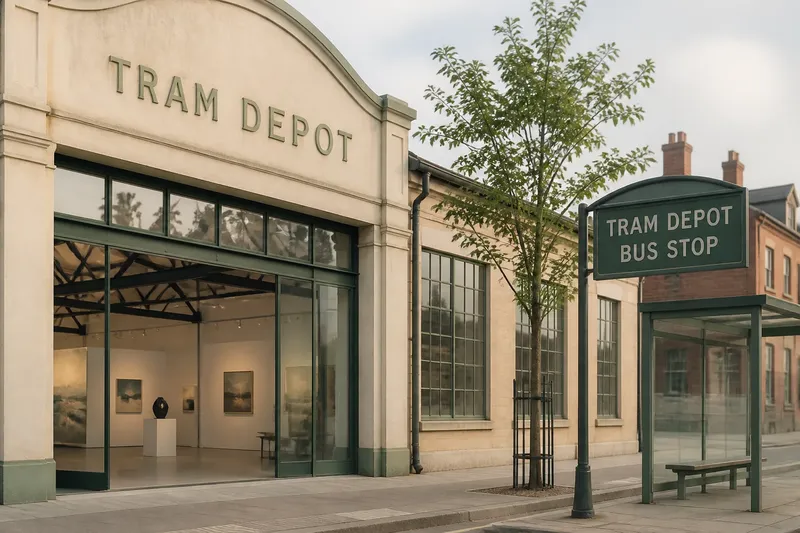
At a junction, a former tram depot now serves as a gallery, but its old lettering still names the nearby bus stop. The building has changed use; the words on the street have not. City landmarks can carry traces of earlier work into new civic roles, though the reasons people remember them are not always the reasons officials preserve them.
That distinction matters. A structure can be historically significant without being a useful point of reference, while a plain utility building can become part of local memory without formal recognition. Looking at how old buildings are interpreted, adapted and named reveals more than whether they are easy to spot from a particular route.
What makes a former civic building matter now?
A former building can matter because of its architecture, its past use, its place in local history, or the way a community has adopted it. Those meanings may overlap, but they are not interchangeable. A water tower might be valued as a piece of engineering, remembered as a neighbourhood landmark, and reused as a venue; each role asks a different question of the structure.
Its original purpose often remains legible in the building itself. A depot may retain a broad entrance for vehicles, while a market hall may keep its open interior. These features help people read what the place once did, even when the machinery, stalls or services have gone.
Buildings also gather meanings through later use. A library, workshop or community hall can give a former industrial site a continuing public role. That new activity does not erase the past; it adds another layer to how the place is understood.
How does adaptive reuse change a building’s meaning?
Adaptive reuse gives an existing structure a new function while retaining some of its fabric. The result can keep a building in active use, but the balance between old and new varies. A conversion may leave an original façade intact while changing the interior, or it may preserve distinctive machinery as part of a working space.
The choices shape what visitors can understand. If a former pumping station becomes a gallery and its pipes remain visible, the building’s engineering history is easy to read alongside its current purpose. If alterations remove or conceal those clues, the site may still be useful, but its earlier story requires interpretation through signs, displays or local archives.
Reuse also changes who has access to a building and what happens inside it. A private office conversion has a different public presence from a community workshop. Neither outcome alone tells the whole story: the building’s physical survival, its current access and the way its past is explained all deserve separate attention.
What can a building’s design tell you about its old job?
Shape and materials offer clues, not a complete record. A tall chimney suggests a need to carry smoke away; a large open span may point to storage or assembly; a clock face may have served people working nearby. But similar forms can serve different purposes, and later alterations can obscure the evidence.
Look for details in context rather than treating one feature as proof. A row of loading doors beside a railway spur might support an interpretation of industrial use, while a plaque or an archival photograph can provide firmer identification. Where the history is uncertain, it is more accurate to describe what is visible than to assign a confident story to it.
Imagine a neighbourhood group preparing a display about a disused riverside building. They can see a wide ground-floor opening, a surviving hoist and a dated map that labels the site as a warehouse. By comparing those sources, they can describe the building’s former storage role while noting which parts of the structure have since changed.
How do preservation status and local memory differ?
Formal heritage recognition follows the rules and records of the relevant authority. Local memory develops through use, family stories, workplace history and familiar names. One can exist without the other: a protected building may be little known beyond specialists, while an unlisted corner shop may hold strong meaning for people who lived nearby.
Preservation status should be checked with the responsible local authority, because rules and designations vary by place. A building’s age or distinctive appearance does not by itself establish its legal status. Likewise, local affection does not automatically determine what alterations are permitted.
Community accounts can add detail that official descriptions omit, but they may differ or leave gaps. Oral histories, old photographs, planning records and maps can be read together, with uncertainty made clear. That approach respects memory without presenting every recollection as a settled fact.
What questions help explain a former landmark?
Does a building need to keep its original use to retain meaning?
No. A new use can keep the structure present in everyday life, while its shape or recorded history continues to refer to the earlier purpose. The two meanings can sit side by side, although visitors may need clear interpretation to recognise the older one.
Does a heritage listing mean the public can enter?
Not necessarily. A designation concerns a building’s recognised heritage status, while access depends on ownership, opening arrangements and applicable rules. Check the venue or local authority before assuming a listed place is open to visitors.
Why might an unlisted building matter to residents?
People may associate it with work, services, neighbourhood change or personal memories. Those connections can be substantial even when a building has no formal heritage designation.
How can you describe a building’s past when records are incomplete?
Separate observed details from interpretation, and say where the account is uncertain. A visible loading door is an observation; identifying it as evidence of a particular trade may require records or corroborating local accounts.
How should a changed building be described?
Use the name and details that help readers understand both the present site and its past, without implying that an old function continues. If a former station is now a housing block, call it a former station or use its current name, then explain the relationship. A label that only says “the station” may mislead someone expecting trains or a public entrance.
When writing a short description, check these points and choose wording accordingly:
- Current use: If the building still performs its former role, name that role; if not, describe its present use or say it is disused.
- Visible evidence: If a distinctive feature remains, describe it; if it has been altered or removed, do not use it as a present-day identifier.
- Historical name: If records or established local usage connect the name to this site, include it; if the link is unclear, explain the uncertainty or leave the name out.
- Public access: If entry arrangements are confirmed, state them; if not, avoid implying that visitors can go inside and direct them to current venue information.
- Heritage status: If the relevant authority confirms a designation, use its accurate wording; if not, describe the building’s history without calling it protected or listed.
- Interpretation: If a sign, map or display supports the account, identify the source in the finished material; if evidence is incomplete, distinguish what is observed from what is inferred.
Say a neighbourhood group is writing a sign for a former pump house, now a community workshop. Their starting information is a surviving chimney, a local map that marks a pump house on the site, and no confirmed heritage designation. They describe the visible chimney, call the building a former pump house based on the map, identify the workshop as its current use, and omit any claim that it is formally protected. The resulting sign explains the site without suggesting that its old machinery or legal status can still be seen.
Why do old names stay after buildings change?
Names can persist because people continue to use them in conversation, on local signs or in addresses. An old mill may lend its name to a street long after the mill is gone, and a former depot may remain the label for a nearby stop. The name records a relationship with the site, not necessarily the building’s present condition.
That persistence can preserve local history, but it can also confuse newcomers if the reference is unexplained. A short note such as “Depot Lane, named for the former tram depot” makes the connection legible without treating the past as current fact. City landmarks outlast their first job most clearly when descriptions preserve that distinction: what the place was, what it is now, and what people still call it.